
Hiking injuries are rarely caused by one wrong step. More often, they result from hours of subtle imbalance, poor posture, and strain caused by improperly designed gear. This is where modern hiking packs for injury prevention become essential. Today’s pack designs are no longer just about storage capacity. They are about stability, biomechanics, and long-term body health.
At Light Hiking Gear (formerly Aarn USA), modern pack systems are built around how the body naturally moves on the trail. Whether someone is using a lightweight 45L trekking backpack for weekend outings or a long-distance trekking backpack for extended routes, stability-focused design plays a major role in reducing fatigue and injury risk.
Why Traditional Packs Increase Injury Risk
Many traditional backpacks place weight high and far behind the wearer. This creates a constant backward pull, forcing hikers to lean forward to compensate. Over time, that posture stresses the lower back, hips, and shoulders, especially on uneven terrain.
A poorly designed pack can turn even short hikes into physically demanding efforts. Without proper support, hikers experience sore shoulders, compressed spines, and reduced balance. This is why modern hikers increasingly turn to options like a durable 45L hiking pack for trails that prioritize load placement rather than just volume.
Stability-focused designs help eliminate unnecessary strain by keeping weight close to the body’s center of gravity.
Biomechanics and the Body in Motion
Biomechanics explains how joints, muscles, and posture work together during movement. On the trail, every step places force through the spine, hips, and knees. Packs that disrupt natural movement patterns increase the risk of overuse injuries.
An ergonomic hiking backpack for comfort is designed to work with these mechanics, not against them. Instead of pulling the body backward, modern packs encourage upright posture and efficient stride patterns. This reduces muscle fatigue and allows hikers to maintain balance across variable terrain.
Light Hiking Gear (formerly Aarn USA) designs packs that support natural movement, whether hikers are navigating forest paths or technical routes.

Ergonomic Straps and Ventilation Matter
Strap placement is one of the most overlooked contributors to pack-related injuries. Narrow, rigid straps compress nerves and restrict circulation. Over time, this can lead to numbness, shoulder pain, and upper back tension.
Modern packs use contoured shoulder straps and supportive hip belts to distribute weight evenly. A ventilated back hiking backpack further improves comfort by reducing heat buildup and allowing airflow along the spine. Better ventilation helps maintain muscle efficiency, especially during long hikes or warm conditions.
When straps and ventilation work together, hikers move more naturally and stay comfortable for longer periods.
Weight Distribution and Trail Stability
Balanced weight distribution is one of the most effective ways to reduce injury risk. Packs that concentrate weight solely on the back shift the center of gravity and reduce stability, especially during descents or side slopes.
Modern designs place weight closer to the body’s core, improving balance and reducing the need for constant posture correction. This is especially important for hikers using a durable hiking backpack for long trails, where small inefficiencies compound over time.
Improved stability leads to fewer missteps, better confidence, and safer movement across challenging terrain.
Stability Across Different Adventure Types
Stability principles apply across all outdoor activities. For alpine and winter environments, a high-performance alpine backpack or durable alpine adventure pack must maintain balance while carrying technical gear. In skiing, high-performance ski backpacks and ultralight ski touring backpacks are designed to remain stable during dynamic movement.
Even specialized options like a lightweight alpine climbing backpack or durable mountaineering backpack rely on ergonomic weight placement to reduce strain and support safety in demanding conditions.
Across every environment, stability remains the foundation of injury prevention.
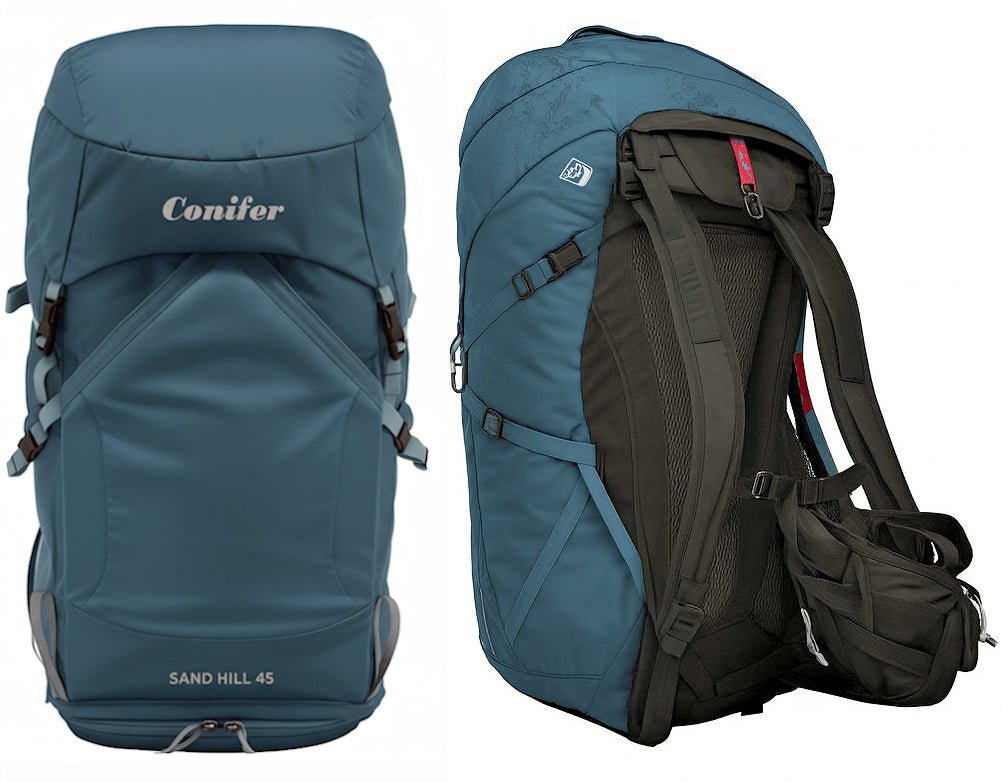
Long-Term Benefits of Stability-Focused Packs
Injury prevention is not only about avoiding falls. It is about protecting the body from cumulative stress. Poor posture and uneven load distribution can lead to chronic pain that lingers long after the hike ends.
Packs designed for stability help hikers maintain consistent posture, reduce joint stress, and conserve energy. Over time, this supports long-term mobility and allows outdoor enthusiasts to stay active across seasons and years.
Choosing a stable pack is an investment in both performance and physical health.
How Pack Stability Protects the Spine and Joints
One of the most overlooked benefits of modern pack design is spinal protection. When weight is poorly distributed, the spine absorbs repeated micro-stresses that accumulate over time. This is especially true during descents, when gravity increases downward force, and instability amplifies joint impact.
A well-designed pack keeps the spine aligned and reduces lateral sway. By minimizing side-to-side movement, packs such as a durable 45L hiking pack for trails help protect the lower back and hips. This alignment allows muscles to work efficiently rather than constantly correcting posture.
Joint health benefits as well. Knees and ankles experience less torque when the body remains centered. Over long distances, this reduction in stress can mean the difference between finishing strong and developing chronic pain.
Shoulder Load Versus Hip Load
Another major contributor to injury risk is improper load transfer. Many hikers unknowingly carry too much weight on their shoulders, leading to neck tension, numbness, and reduced circulation.
Modern designs prioritize hip engagement. A supportive hip belt transfers most of the pack’s weight to the pelvis, which is structurally better suited to carry loads. An ergonomic hiking backpack for comfort uses strap geometry and adjustability to ensure that shoulders guide movement rather than bear weight.
When hips carry the load and shoulders remain relaxed, hikers maintain better posture and energy efficiency throughout the day.

The Importance of Ventilation for Muscle Performance
Heat buildup is not just a comfort issue. It directly affects muscle endurance and fatigue. When the back overheats, muscles tire faster, posture deteriorates, and balance becomes harder to maintain.
A ventilated back hiking backpack improves airflow along the spine, helping regulate body temperature during exertion. This ventilation reduces sweat accumulation, which can otherwise cause chafing and muscle stiffness.
Maintaining cooler muscles allows hikers to move with better control and coordination, especially on long climbs or warm-weather trails.
Stability During Ascents and Descents
Uphill and downhill hiking place very different demands on the body. Ascents challenge cardiovascular endurance and leg strength, while descents place high impact on joints and require precise balance.
Modern packs are designed to remain stable during both movements. On climbs, proper weight placement prevents the pack from pulling the hiker backward. On descents, stability reduces forward momentum that can strain knees and ankles.
A long-distance trekking backpack built for stability helps hikers adapt smoothly to elevation changes without constant posture adjustments.
Weather Resistance and Injury Prevention
Unexpected weather can quickly increase injury risk. Rain, wind, and cold affect footing, visibility, and muscle performance. A weather-resistant trekking backpack protects essential gear while maintaining structural integrity in changing conditions.
Wet gear shifts weight unpredictably, compromising balance. Weather-resistant materials prevent this shift and help keep the pack’s center of gravity consistent. This stability is crucial when navigating slick trails or exposed terrain.
Reliable weather protection supports safer movement and reduces fatigue caused by environmental stress.

Stability in Alpine and High-Intensity Environments
In alpine terrain, stability becomes even more critical. Technical movement, uneven surfaces, and heavier equipment demand precise load management. A high-performance alpine backpack is engineered to keep weight secure and close to the body during dynamic movement.
Similarly, durable alpine adventure packs are built to remain stable while carrying ropes, tools, and safety equipment. Poor balance in these environments increases fall risk and slows reaction time.
For climbers and mountaineers, stability is not optional. It is essential for safety.
Ski Touring and Dynamic Balance
Ski touring introduces unique challenges. Movement is faster, terrain changes quickly, and balance must be maintained while gliding and turning. Ultralight ski touring backpacks and high-performance ski backpacks are designed to stay stable during motion without restricting movement.
Secure load placement prevents packs from shifting during turns or descents. This allows skiers to focus on technique and terrain rather than adjusting gear mid-run.
Stable ski packs support confidence and reduce injury risk in high-speed environments.
Customization and Fit: The Final Stability Factor
Even the best-designed pack must fit the individual to deliver full benefits. Adjustable straps, modular components, and adaptable load systems allow hikers to fine-tune fit based on body type and activity.
Customization ensures that the weight sits where it should, reducing pressure points and improving balance. Packs designed for adjustability accommodate different trail demands, from casual hikes to extended expeditions.
Fit is not a luxury. It is a key component of injury prevention.
Why Stability Matters Over Time
The true value of a stability-focused pack becomes clear over months and years of use. Reduced strain allows hikers to stay active longer and recover faster after trips. Consistent posture support protects joints and muscles from cumulative damage.
Investing in a stable pack design supports longevity in outdoor pursuits. It allows hikers, climbers, and skiers to continue exploring without sacrificing physical well-being.
Stability is not just about performance today. It is about protecting mobility for the future.
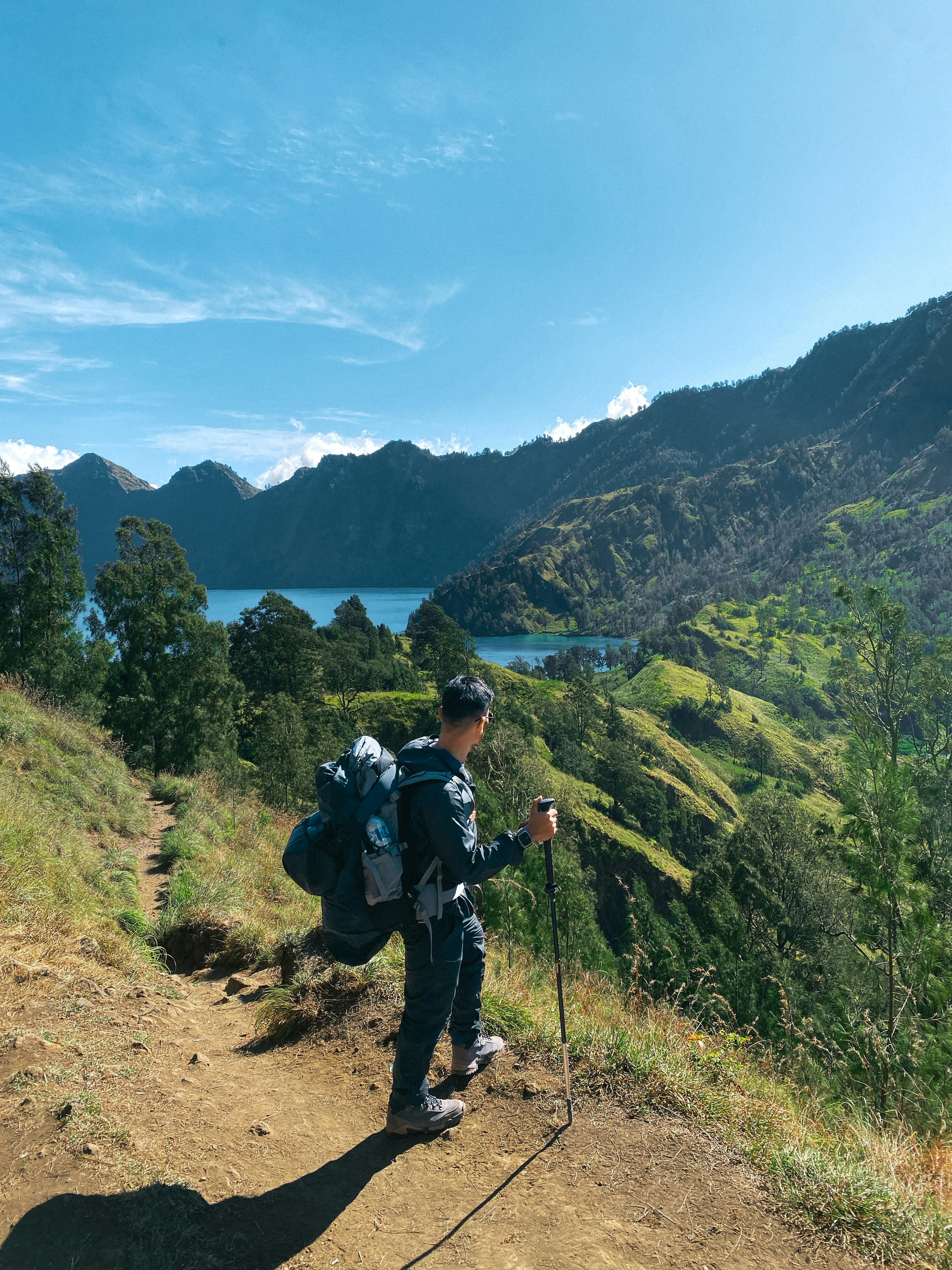
At Light Hiking Gear (formerly Aarn USA), we design packs with stability, biomechanics, and long-term comfort at the forefront.
Whether hikers are looking for lightweight backcountry backpacks, a weather-resistant trekking backpack, or exploring options to buy comfortable trekking backpacks, we focus on gear that supports the body’s natural movement.
Our gear is built to reduce strain, improve posture, and help people move confidently across all terrains. We believe stability should be built into every adventure, and we are proud to offer pack solutions that protect mobility while enhancing the outdoor experience.
Get in touch with us to learn more.


0 comments