
Layering for hiking is often treated as a clothing-only decision. Base layers, insulation, and shells usually get all the attention, while packs and accessories are considered secondary. In reality, true comfort and performance on the trail come from an all-season hiking layering approach that integrates clothing, ultralight packs, and smart accessories into one cohesive system.
At Light Hiking Gear (formerly Aarn USA), layering is viewed as a full-body strategy. The way clothing breathes, how a pack distributes weight, and where accessories are stored all affect how hikers adapt to changing conditions. When these elements work together, hikers stay balanced, comfortable, and prepared across seasons.
Why Traditional Layering Falls Short
Traditional layering focuses on warmth and moisture control but often ignores movement efficiency. Bulky clothing can restrict mobility, while poorly designed packs trap heat and limit ventilation. When these elements clash, hikers end up overheating, slowing down, or constantly stopping to adjust gear.
A well-integrated system solves this problem. Clothing manages temperature, packs manage load and airflow, and accessories provide quick adaptability. This is where an ergonomic hiking backpack for comfort becomes part of the layering equation rather than just a storage solution.
Clothing Layers That Work With Your Pack
Clothing layers should complement pack design, not fight against it. Breathable base layers work best when paired with packs that allow airflow along the back. Insulating layers perform better when compressed evenly rather than crushed by poorly balanced loads.
A ventilated back hiking backpack supports thermal regulation by allowing heat to escape, reducing sweat buildup under shoulder straps and along the spine. When clothing and pack ventilation work together, hikers maintain consistent body temperature with fewer adjustments.
This synergy becomes especially valuable during shoulder seasons when conditions shift throughout the day.

Packs as Part of the Layering System
Modern packs are no longer passive containers. They actively influence comfort, posture, and temperature regulation. A lightweight 45L trekking backpack allows hikers to carry adaptable layers without adding unnecessary bulk, making it easier to respond to changing weather.
Balanced load placement reduces pressure points, allowing clothing layers to function as intended. When weight is evenly distributed, insulation stays in place, shells move freely, and the body remains aligned.
For longer routes, a durable hiking backpack for long trails supports layering by maintaining stability even as gear is added or removed throughout the day.
Adapting to Weather With Smart Integration
All-season hiking means preparing for sun, wind, rain, and cold within the same trip. Layering works best when hikers can adapt quickly without unpacking everything.
Packs with accessible compartments make it easy to add or remove layers on the move. A weather-resistant trekking backpack protects spare clothing while keeping essentials within reach. This reduces exposure time during weather changes and keeps hikers moving comfortably.
Smart integration turns layering into a fluid process rather than a constant interruption.
Accessories That Enhance Layering Efficiency
Accessories often make the difference between reacting to the weather and staying ahead of it. Lightweight add-ons such as balance pockets, cooling neckerchiefs, and compact storage solutions support quick adjustments without disrupting movement.
When accessories are positioned for easy access, hikers can regulate temperature and comfort without removing their pack. This seamless interaction between clothing, pack, and accessories supports better trail flow and reduced physical fatigue.
Layering becomes less about stopping and more about adapting.

Seasonal Flexibility Without Added Weight
One of the biggest challenges in all-season hiking is carrying enough gear without overloading the body. Ultralight pack systems allow hikers to carry versatile layers that serve multiple purposes.
A lightweight backcountry backpack supports this approach by minimizing base weight while maintaining durability. Less pack weight means more freedom to carry adaptable clothing without compromising comfort or posture.
The result is a system that feels lighter, moves better, and performs consistently across conditions.
Integrating Layer Storage for On-the-Move Adaptability
One of the most overlooked aspects of effective layering is where the removed layers go once the body warms up. Many hikers end up strapping jackets externally or stuffing layers into awkward spaces, which throws off balance and airflow. A well-designed pack eliminates this issue by offering modular storage that supports quick transitions.
When layers can be stowed without unpacking the entire bag, hikers remain responsive to changing conditions. Internal compression zones, stretch pockets, and front-access compartments help maintain load symmetry while keeping frequently used layers close at hand. This approach preserves posture and prevents the uneven weight shifts that often lead to fatigue or soreness later in the hike.
Weight Distribution and Its Impact on Thermal Regulation
Layering efficiency isn’t just about warmth—it’s also about how weight is carried. Poorly distributed loads increase pressure on the shoulders and spine, which restricts circulation and accelerates muscle fatigue. Over time, this impacts how effectively the body regulates temperature.
Balanced pack systems allow hikers to maintain a neutral stance, encouraging natural movement and consistent airflow around the torso. When circulation isn’t compromised, insulating layers perform more efficiently, and cooling happens more naturally during exertion. This is especially important during long ascents or variable weather stretches where energy conservation matters most.
Seasonal Layering Strategies That Work Together
Each season demands a slightly different layering approach, but the core principle remains the same: adaptability. In warmer months, breathable materials paired with ventilated packs prevent overheating during climbs. During cooler seasons, insulation and wind protection become more critical, but they still need to work with the pack rather than against it.
In shoulder seasons, hikers benefit from flexible systems that allow frequent transitions. Lightweight shells, mid-layers, and moisture-wicking base layers all function better when the pack accommodates easy access and compression. Instead of packing for worst-case scenarios, hikers can rely on modular layering that adjusts as conditions evolve.

Reducing Fatigue Through Integrated Design
Fatigue often comes from micro-adjustments—tightening straps, shifting layers, or stopping to repack gear. Over time, these interruptions add up. Integrated systems reduce this friction by aligning clothing performance with pack ergonomics.
When shoulder straps sit comfortably over layered clothing and hip belts maintain consistent contact, hikers expend less energy stabilizing their load. This allows muscles to work efficiently and reduces unnecessary strain. Over long distances, this translates into better endurance and fewer aches at the end of the day.
Layering for Wind and Exposure
Wind is one of the most underestimated elements in hiking comfort. Even mild temperatures can feel harsh when exposed ridgelines amplify wind chill. Effective layering depends on quick access to wind-resistant shells and secure storage when conditions ease.
Pack designs that allow front or side access make it easy to deploy protective layers without breaking stride. This is particularly valuable in alpine or coastal environments where conditions change rapidly. When wind protection is easy to manage, hikers stay warmer without overheating or overpacking.
Accessories as Transitional Tools
Accessories act as bridges between full clothing changes. Items like lightweight gloves, neck gaiters, and headwear allow hikers to fine-tune comfort without adding or removing major layers. When these accessories are stored in easily accessible areas, they become powerful tools for micro-adjustments.
Integrated storage ensures accessories don’t get buried under heavier gear. This encourages proactive layering rather than reactive adjustments, keeping hikers comfortable before discomfort sets in. Over time, this habit improves efficiency and reduces unnecessary stops.
Maintaining Mobility While Layered
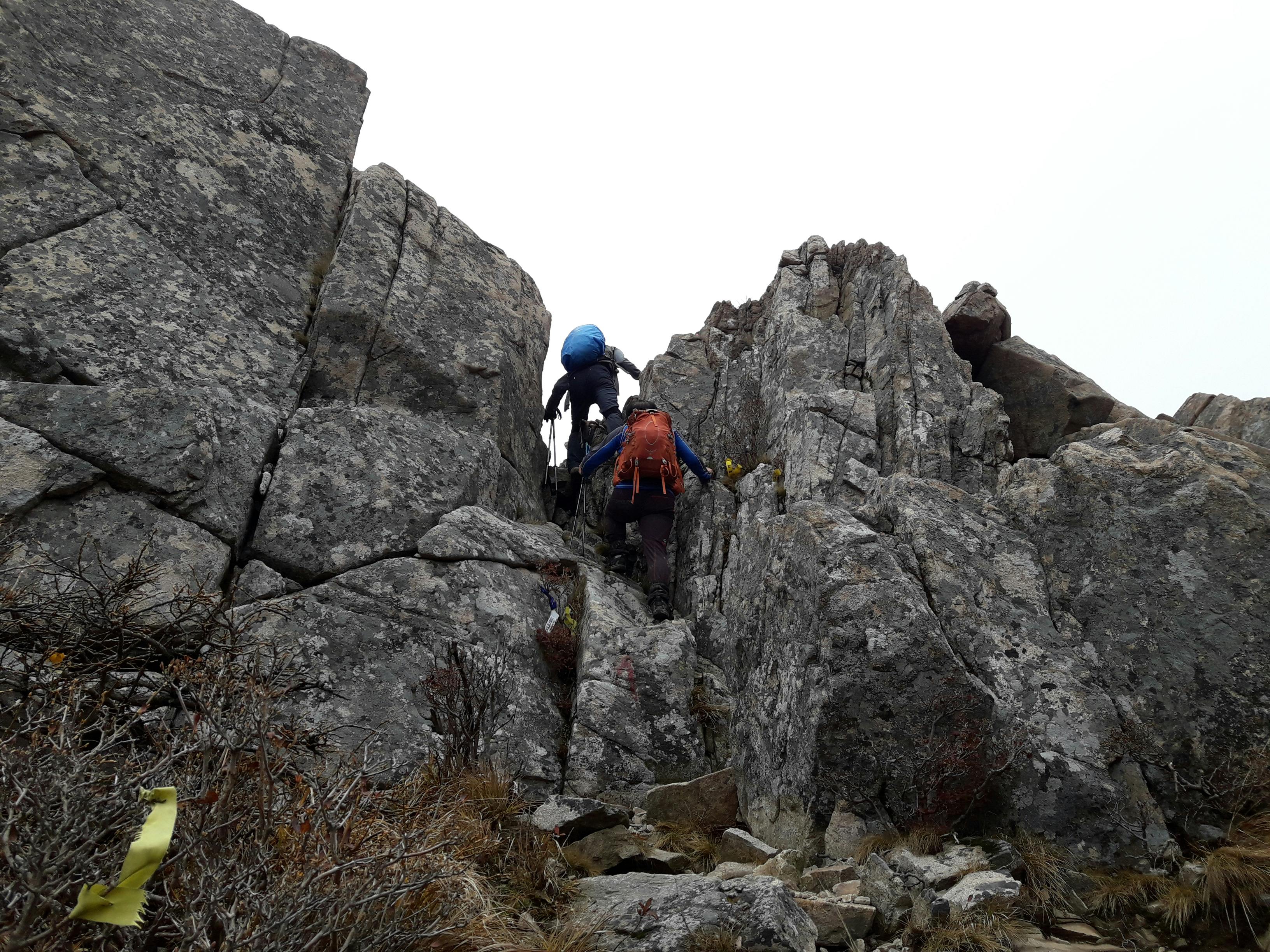
Bulk is the enemy of mobility. Layering systems that rely on oversized garments or poorly balanced packs restrict arm swing, stride length, and torso rotation. Integrated solutions prioritize streamlined profiles that move with the body.
When clothing layers are designed to compress evenly within the pack, hikers avoid the “top-heavy” feeling that throws off balance. This improves confidence on uneven terrain and allows for more natural movement, especially when navigating technical sections or steep descents.
All-Day Comfort Through Consistency
Comfort isn’t about a single moment—it’s about consistency across hours of movement. Integrated layering systems maintain that consistency by minimizing the need for constant adjustments. When packs, clothing, and accessories work together, hikers settle into a rhythm that feels sustainable.
This is especially important for multi-day hikes where cumulative strain becomes noticeable. A system that supports posture, temperature regulation, and load stability helps hikers finish each day feeling capable rather than depleted.
The Role of Ultralight Design in Layer Integration
Ultralight design isn’t just about reducing weight—it’s about improving functionality. Lighter systems encourage hikers to carry adaptable layers without fear of overloading themselves. This opens the door to smarter preparation rather than minimalist compromises.
Ultralight packs also make it easier to maintain balance as layers are added or removed. With less overall mass, changes in load distribution are less disruptive, allowing hikers to stay focused on terrain and conditions instead of gear management.
Move Freely with Packs Designed for Layering Efficiency
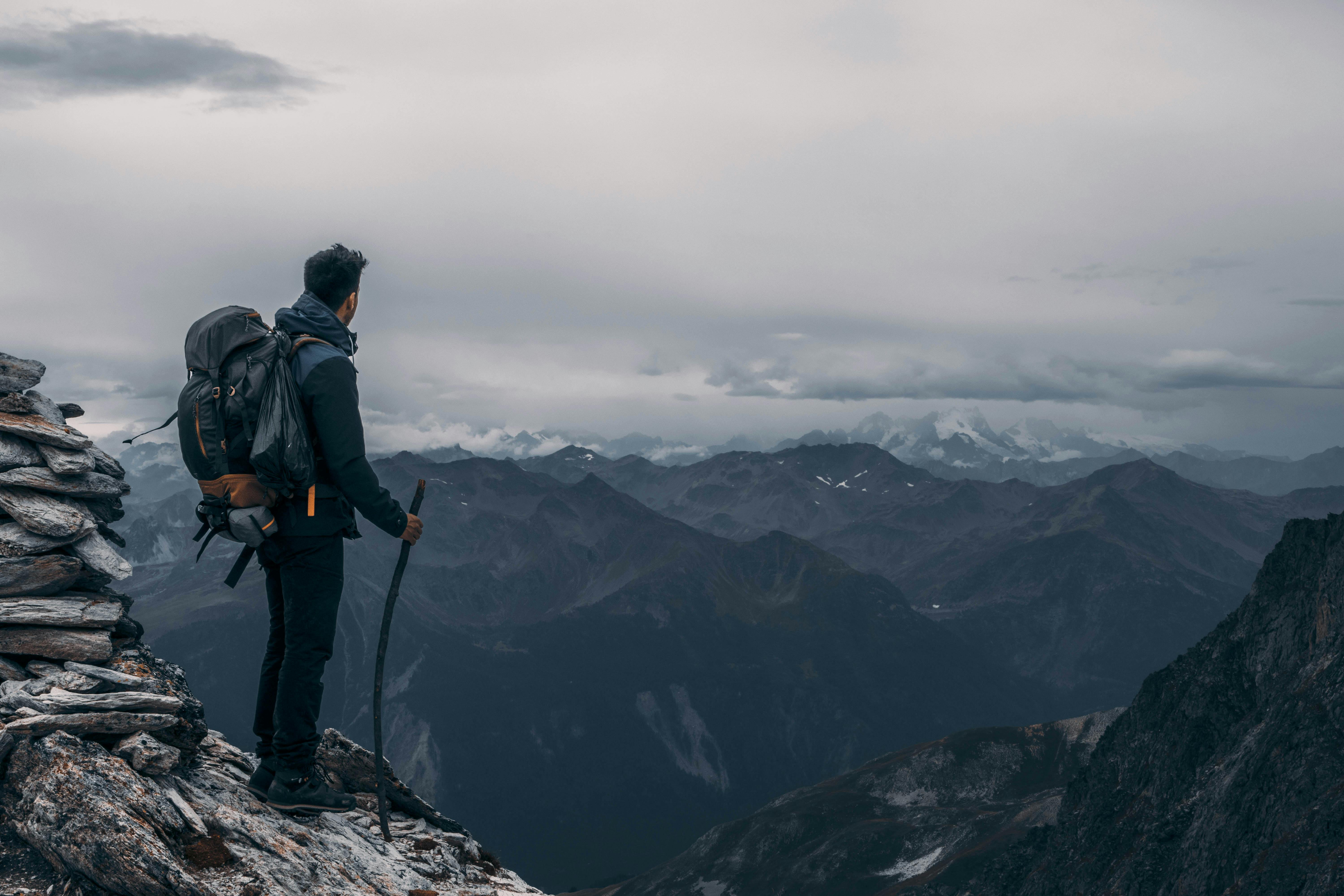
At Light Hiking Gear (formerly Aarn USA), we believe layering works best when clothing, packs, and accessories are designed as one system. Our collection supports adaptability, balance, and comfort so hikers can move confidently through changing conditions.
Whether choosing a weather-resistant trekking backpack, exploring lightweight backcountry backpacks, or looking to buy comfortable trekking backpacks, we design solutions that work together seamlessly. We focus on integration, not excess, helping our community hike smarter across every season.
With thoughtful design and ultralight innovation, we make it easier to stay prepared, comfortable, and moving forward on every trail. Get in touch with us to learn more.


0 comments